Seville in Summer: A Heat Survival Guide
Seville’s summer heat regularly passes 40°C. Here is how to restructure your day, where to find shade and water, and when to actually go outside.
By Daniel Reyes · Published 5 December 2025 · Updated 2 March 2026 · 6 min read
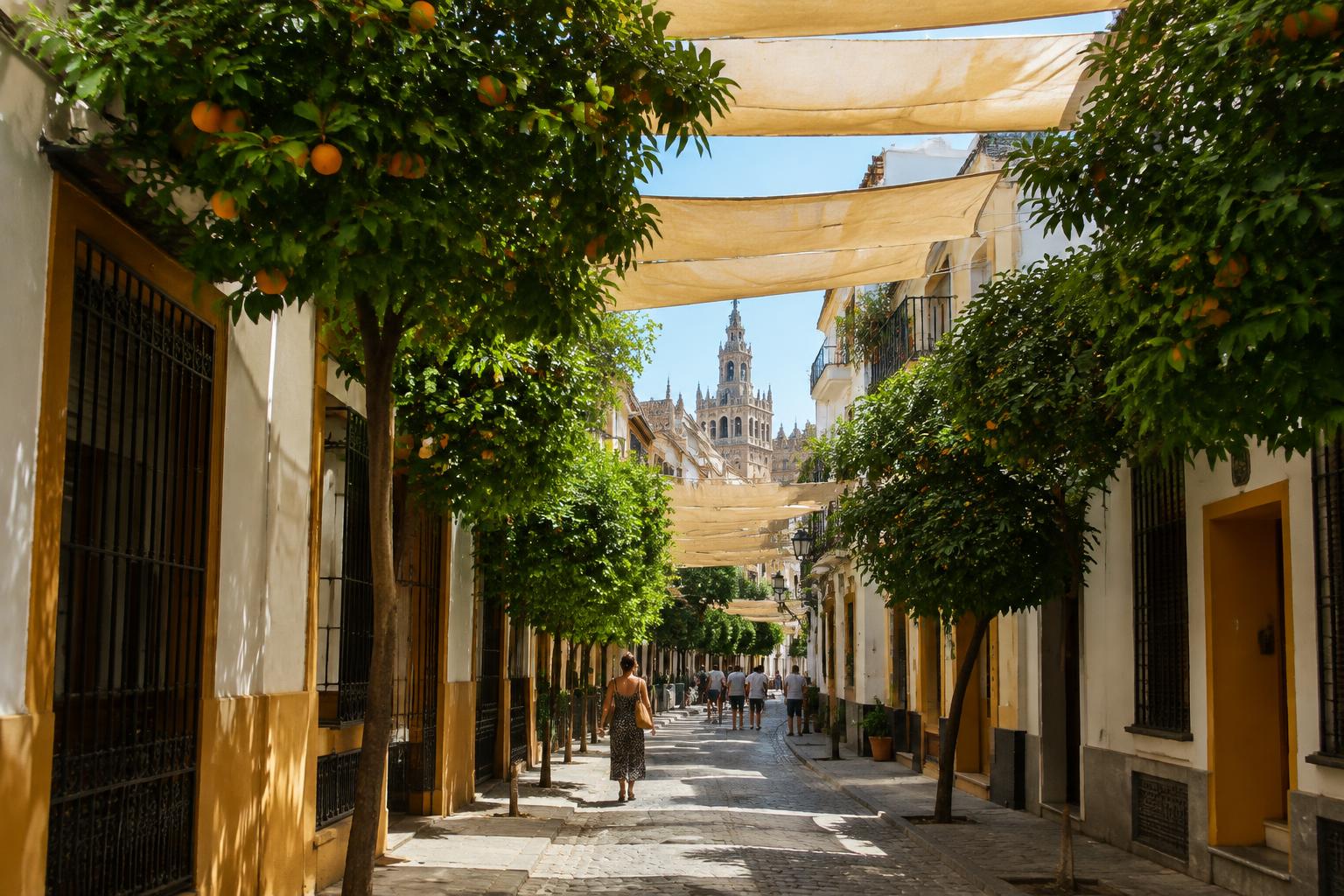
At a glance
- July and August afternoon temperatures in Seville regularly exceed 38–40°C
- Most locals shift their day earlier and later, resting indoors in the early afternoon
- Toldos (street awnings) and patios offer significant shade in the old town
- Hydration and sun protection are not optional extras here — treat them as essential kit
Seville is one of mainland Europe’s hottest cities in summer, with July and August afternoons routinely passing 38–40°C and sometimes higher during heatwaves. This is entirely manageable with the right daily rhythm, but it does require abandoning a conventional sightseeing schedule in favour of something closer to how the city itself operates in summer: early starts, a long midday retreat, and evenings that run late.
Restructure the day around the heat, not the clock
The old town is genuinely pleasant to walk through between roughly 8am and 11am, before the heat builds, and again from around 7pm once the sun drops and the streets cool. Between roughly midday and 6pm, temperatures in direct sun can be dangerous for extended walking, and this is exactly the window in which many shops and some sights close for a few hours, reopening later in the afternoon — a rhythm visitors benefit from matching rather than fighting.
Where to find shade
Many streets in the Santa Cruz quarter and around the cathedral are narrow enough to stay shaded for much of the day, and several squares and shopping streets string toldos — canvas awnings — overhead in summer specifically to block direct sun. The Plaza de España’s covered walkway offers shade with a view of the building’s famous tiled alcoves, and the Real Alcázar’s gardens include shaded paths, though the palace interior itself can still get crowded and warm at midday.
- Real Alcázar gardens — book the earliest available entry slot to combine cooler temperatures with smaller crowds
- Plaza de España’s arcaded walkway — shaded, free to visit, good for a slow midday walk
- Metropol Parasol (Las Setas) — its upper walkway is more comfortable at sunset than at midday
- Barrio Santa Cruz’s narrow lanes — naturally shaded by the height and closeness of the buildings
Hydration and sun protection as essential kit
Carry a refillable water bottle and drink more often than feels necessary; many cafés will refill a bottle on request even without a purchase. A wide-brimmed hat, sunglasses and a high-factor sunscreen reapplied through the day are not optional extras in Seville’s summer — sunburn and mild heat exhaustion are the most common minor travel ailments reported in the region during July and August. If visiting with children or anyone with a heart or respiratory condition, check local heat-health advisories, which Spanish authorities issue during heatwave spells.
Evenings are when Seville comes alive
Dinner in Seville routinely starts at 9pm or later in summer, and the riverside paths along the Guadalquivir and the plazas of the old town fill with people well into the night once temperatures have dropped. A flamenco performance, a late tapas crawl through the Triana or Alameda neighbourhoods, or simply a slow walk along the river are all far more comfortable — and arguably more authentic to how the city actually lives in summer — after 8pm than at any point in the afternoon.
A sample summer day
- 7:30–10:30am: Real Alcázar or an outdoor walk through Barrio Santa Cruz
- 11am–1pm: An indoor sight such as the Cathedral interior or a museum
- 1–5pm: Long lunch, then rest indoors during the hottest hours
- 6–7pm: Metropol Parasol or a shaded plaza as temperatures begin to drop
- 9pm onward: Dinner and an evening walk along the river or through Triana
None of this should discourage a summer visit — Seville in July has a particular, languid energy to its evenings that cooler months do not quite replicate — but it does reward planning the day around the heat rather than around a conventional sightseeing timetable.
Common mistakes first-time summer visitors make
The most frequent error is underestimating how different 42°C in Seville feels from a hot day elsewhere: the lack of humidity and the stone-and-tile streets mean the heat radiates back from the ground as much as it falls from the sky, and dehydration can creep up without the obvious sweating that signals it in muggier climates. A second common mistake is scheduling a full day of outdoor sightseeing on arrival day, before acclimatising to the heat and before learning which streets offer shade. A third is assuming air conditioning is universal — many older guesthouses and some budget apartments rely on fans or have only partial cooling, so it is worth checking specifically before booking in July or August rather than assuming.
- Booking a walking tour or outdoor activity for early afternoon rather than morning or evening
- Skipping sunscreen because it is “only a city break”, not a beach holiday
- Underpacking water on day one, before realising how often a refill is needed
- Assuming every rental apartment has strong air conditioning — check reviews and listing details specifically
- Wearing dark, heavy fabrics suited to a temperate climate rather than light, loose, breathable clothing
What to pack specifically for a Seville summer
Clothing choices matter more here than in most European city breaks. Loose, light-coloured, breathable fabrics — linen and cotton rather than synthetics — are noticeably more comfortable through a midday errand or transfer. A compact handheld fan, sold cheaply throughout the old town, is a genuinely useful purchase rather than a tourist novelty, and many locals carry one through summer for exactly this reason. Comfortable, well-ventilated sandals or trainers matter too, since the historic centre's cobbled and stone-paved streets hold heat well into the evening.
- Loose linen or cotton clothing in light colours, plus one long-sleeved layer for sun protection on longer walks
- A wide-brimmed hat and UV-rated sunglasses, rather than relying on sunscreen alone
- A refillable water bottle of at least 750ml capacity
- A compact handheld or battery fan, inexpensive and widely available locally
- Rehydration sachets, useful after a long day in the heat or for anyone prone to dehydration
- Well-ventilated, broken-in walking shoes rather than new or heavy footwear
Seville’s summer heat compared with other Spanish cities
Seville sits in the Guadalquivir valley, which traps heat more than coastal Andalusian cities such as Cádiz or Málaga, both of which benefit from sea breezes that noticeably moderate afternoon temperatures even a short drive inland. Córdoba, further up the same valley, experiences similarly intense heat and uses the same toldo-and-siesta rhythm. Travellers combining a Seville stay with a coastal stop in Cádiz or a few days in cooler, higher-altitude Granada often find the contrast a useful way to break up a longer Andalusian itinerary, scheduling the inland cities for the shoulder months either side of peak summer where possible.
If you are travelling with children or older relatives
Extra caution is worth taking for anyone more vulnerable to heat. Plan outdoor time strictly within the cooler morning and evening windows, keep sightseeing legs short with frequent shaded breaks, and carry oral rehydration salts rather than relying on water alone during the hottest days. Many hotel pools and some public splash areas in Seville's parks offer a practical way to let children cool down mid-afternoon rather than forcing a long nap indoors, and several museums and the Cathedral offer family-friendly, air-conditioned visiting options that double as a heat refuge.
Check before you go
Check the current heat-health advisory level for Andalusia before travelling in July or August, and confirm opening hours for sights you plan to visit, since several adjust their hours in peak summer.
Sources and official information
- Turismo de Sevilla – official tourism board
- Agencia Estatal de Meteorología (AEMET)
- UK Government foreign travel advice – Spain
Prices and timetables are approximate and change often. Spotted an error? Tell us — corrections are noted under our editorial policy.
About the author
Daniel ReyesPlanning & slow travel editor. Daniel writes and edits the trip planning and slow travel sections: budgets, packing, documents, connectivity, rail travel and longer stays.
Related guides
Trip Planning
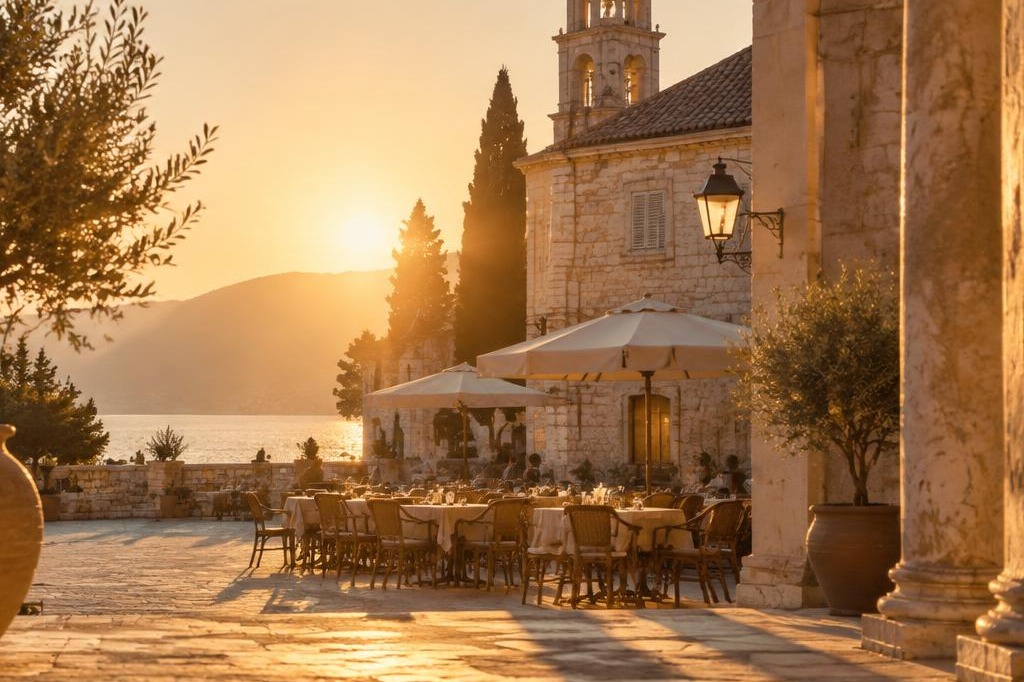
Travelling Off-Season: What to Check Before You Book
Shoulder-season and winter travel can mean lower prices and thinner crowds, but opening hours, ferries and festivals shift — here is what to verify before booking.
By Daniel Reyes · 6 min read
Slow Travel
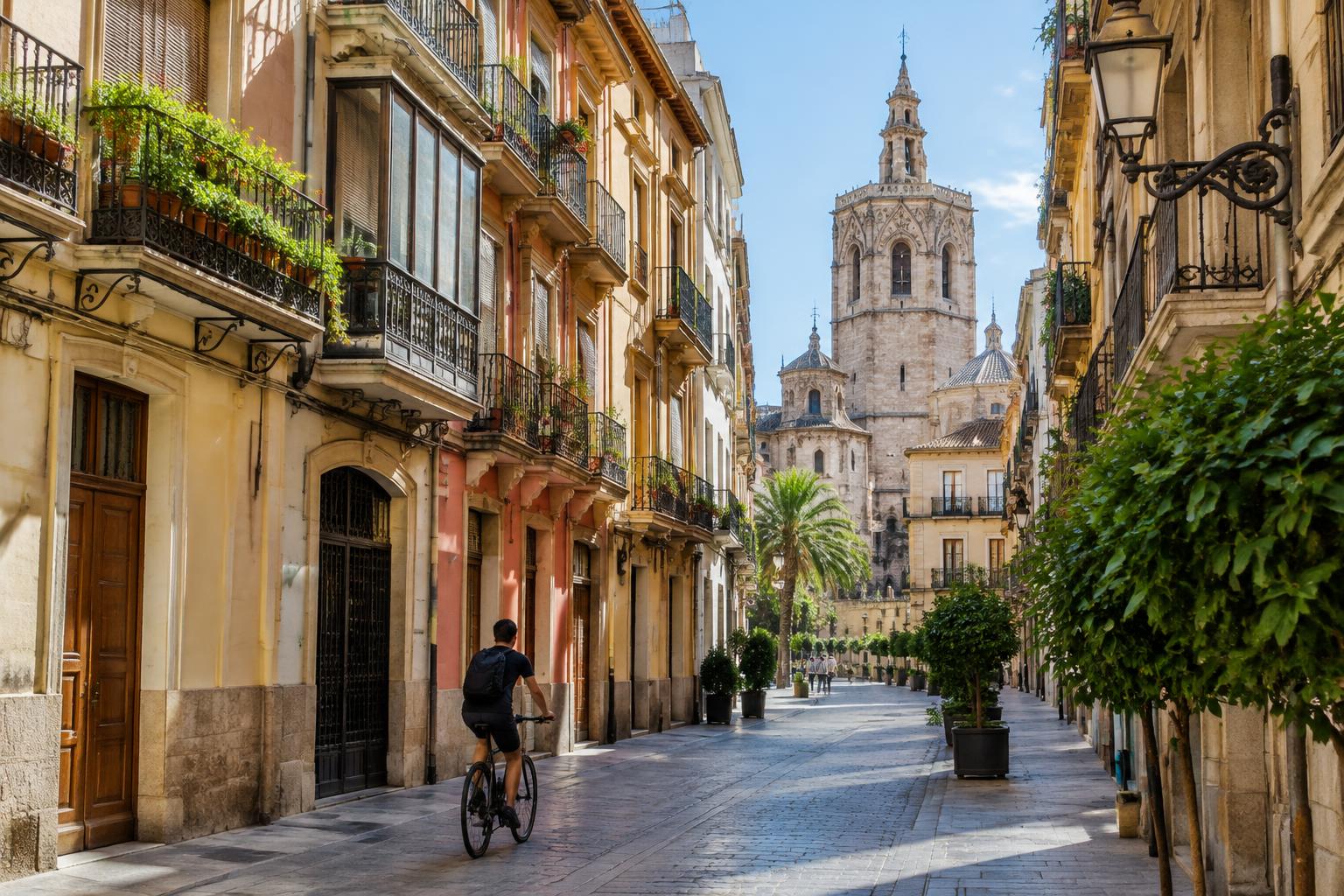
A Slow Month in Valencia: How to Actually Settle In
Valencia rewards a longer stay more than a quick weekend trip. Here is how to structure a month in the city, from neighbourhoods to markets to day trips.
By Daniel Reyes · 5 min read
Slow Travel
Building a Flexible Day Itinerary That Still Gets Things Done
A method for planning daily itineraries loose enough to absorb delays and good discoveries, while still covering the things you actually want to see.
By Daniel Reyes · 6 min read