Vienna’s Coffee House Culture, Explained
How to navigate Vienna’s historic coffee houses, recognised by UNESCO, from ordering etiquette to classic coffee styles and pastries.
By Yasmine Benali · Published 12 December 2025 · Updated 1 February 2026 · 5 min read
At a glance
- Viennese coffee house culture was inscribed on UNESCO’s Intangible Cultural Heritage list in 2011
- A table is yours for as long as you like after ordering a single coffee
- Coffee comes with a glass of water automatically in most traditional houses
- Classic orders include the Melange, Einspänner and Kleiner Brauner
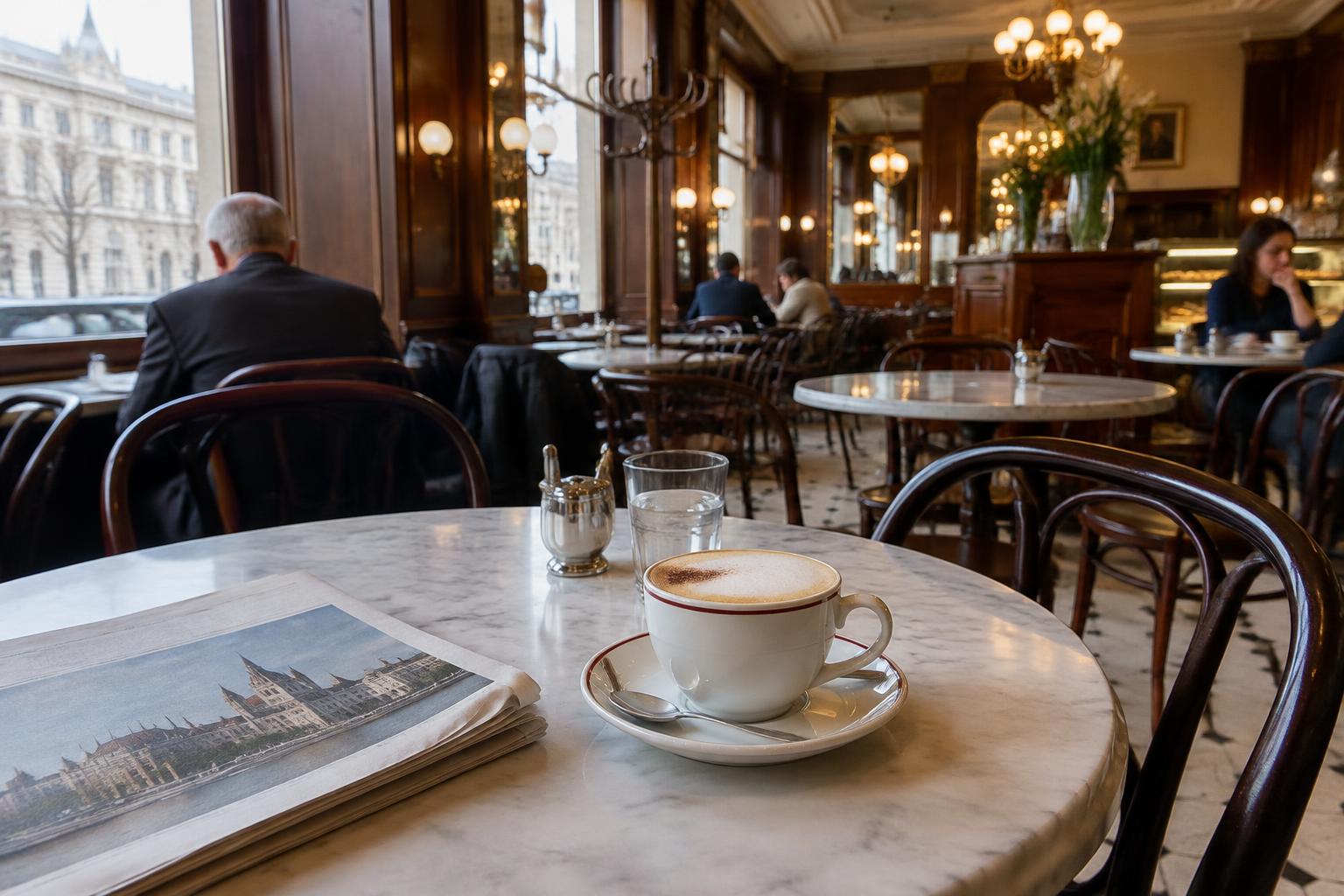
Vienna’s coffee houses are not simply cafés; they function as semi-public living rooms with their own etiquette, built up over more than a century. UNESCO recognised Viennese coffee house culture as an element of Intangible Cultural Heritage in 2011, describing it as a place ‘where time and space are consumed, but only the coffee is found on the bill’. Understanding a few conventions makes a visit considerably more enjoyable.
A short history
Coffee houses spread through Vienna from the late 17th century onward and became central to the city’s intellectual and artistic life through the 19th and early 20th centuries, serving as meeting places for writers, composers and thinkers. Several historic houses still operating today, including Café Central and Café Sperl, trace their origins to this period, though interiors and ownership have changed over time.
How to order
Traditional Viennese coffee houses offer a long list of named coffee styles rather than the simplified menus found elsewhere. A few common ones:
- Melange — espresso with steamed milk and foam, roughly comparable to a cappuccino
- Kleiner Brauner / Großer Brauner — a small or large espresso served with a little milk on the side
- Einspänner — a double espresso topped generously with whipped cream, traditionally served in a glass with a handle
- Verlängerter — an espresso lengthened with hot water, closer to an Americano
Etiquette worth knowing
Coffee is typically served on a small tray with a glass of tap water, a tradition thought to have originated to cleanse the palate before tasting the coffee. Newspapers, often on wooden holders, are available for any customer to read, not just those who ordered them. Table service is standard; approaching a counter to order, as in many other countries’ cafés, is unusual in a traditional Viennese house.
Pastries to pair
Classic pairings include Sachertorte, a dense chocolate cake with apricot jam, most famously associated with Hotel Sacher, and Apfelstrudel, a thin pastry filled with spiced apple. Many coffee houses display cakes in a glass cabinet near the entrance, making it easy to choose by sight rather than from a menu.
Where to go
Café Central, in the former Vienna Stock Exchange building, is grand and understandably popular with visitors, so expect a queue at peak times. Café Sperl, near the Naschmarkt, retains an older, less polished atmosphere and is popular with a more local crowd. Café Hawelka is smaller and known for its Buchteln (sweet yeast buns), traditionally served late in the evening.
- Choose a quieter hour, mid-morning or mid-afternoon, to avoid queues at the best-known houses
- Order a named coffee style rather than a generic ‘coffee’ to get the expected result
- Let the water and coffee arrive together before deciding on anything else
- Ask about the day’s cake selection if nothing is visible in the cabinet
What it costs in 2026
As of 2026, a classic coffee at a historic Viennese coffee house typically costs approximately €5 to €7, noticeably more than a quick espresso at a standard café, reflecting both the setting and the understanding that the table is yours for as long as you want it.
Café Sacher and the Sachertorte rivalry
Vienna’s most famous cake has a long-running dispute attached to it: Hotel Sacher claims the ‘original’ Original Sachertorte recipe, while the rival Demel pastry shop sells its own version following a decades-long legal dispute over the name that was partly settled in the 1960s. Both are worth trying if curious about the difference, which comes down mainly to whether the cake has a single or double layer of apricot jam; most visitors will struggle to detect a dramatic difference in quality, and the rivalry is as much folklore as fact.
The modern coffee house revival
After a period of decline through the later 20th century as faster café-bar culture spread, several historic Viennese coffee houses have been carefully restored and a handful of newer establishments have opened deliberately modelled on the traditional format, suggesting the culture UNESCO recognised in 2011 is not simply a museum piece. Younger Viennese do still use coffee houses for studying, working and meeting, alongside newer third-wave coffee shops that operate on a different, faster model entirely.
Dietary options
Oat and soy milk are now available at most central Viennese coffee houses, though it’s worth asking rather than assuming at smaller, more traditional establishments where dairy milk remains the default. Gluten-free cake options are less consistently available and are more common at newer, visitor-oriented cafés than at the oldest historic houses, where menus have changed little in decades.
A sample coffee house crawl
- 10am: Café Central for the grand historic interior, accepting there may be a short queue
- Early afternoon: Café Sperl near the Naschmarkt for a quieter, more local atmosphere and a slice of cake
- Late afternoon: a walk through the Naschmarkt itself for contrast with the city’s produce market culture
- Evening: Café Hawelka for a late Buchteln and a sense of the smaller, more bohemian end of the tradition
Reading the room
Traditional coffee houses are generally quiet, unhurried spaces; loud conversation, large group bookings without reservation, and rushing staff for the bill all sit slightly against the grain of the culture, even though none of it would draw open complaint from staff. Matching the pace of the room, rather than imposing a café-on-the-go mentality, is really the entire point of visiting one.
Beyond coffee: what else is on the menu
Most traditional coffee houses also serve a limited menu of light meals — goulash, Wiener schnitzel, or a simple sandwich — suited to a working lunch rather than just coffee and cake. These are rarely the highlight of a visit but are useful to know about if arriving hungry outside standard restaurant hours, since many coffee houses keep longer, more flexible opening times than full restaurants.
A seasonal note
Winter is arguably the best season to appreciate Vienna’s coffee house culture fully, since the appeal of a warm, unhurried interior is strongest against cold weather outside; in summer, many coffee houses also open pavement seating, which changes the atmosphere somewhat towards a more conventional café experience.
Combining a coffee house with the Naschmarkt
Several of Vienna’s best-loved coffee houses, including Café Sperl, sit close to the Naschmarkt, the city’s main produce and food market, making it easy to combine a market browse with a coffee house stop in one outing — a market morning followed by an unhurried afternoon coffee is a pattern many Viennese themselves follow on weekends.
Why it’s worth the ritual
The appeal of Vienna’s coffee houses lies less in the coffee itself, which is good but not unusual by European standards, and more in the unhurried social ritual around it, something UNESCO’s recognition specifically sought to protect.
Check before you go
Confirm opening hours for specific coffee houses locally, as some close one day a week and hours can shift outside peak tourist season.
Sources and official information
- UNESCO Intangible Cultural Heritage, Viennese Coffee House Culture
- Vienna Tourist Board, official site
- Café Central, Vienna
Prices and timetables are approximate and change often. Spotted an error? Tell us — corrections are noted under our editorial policy.
About the author
Yasmine BenaliFood & markets editor. Yasmine covers food and markets: how to shop a morning market, eat well in a town you do not know, and approach street food sensibly.
Related guides
Food & Markets
Eating Well in a Town You Don’t Know
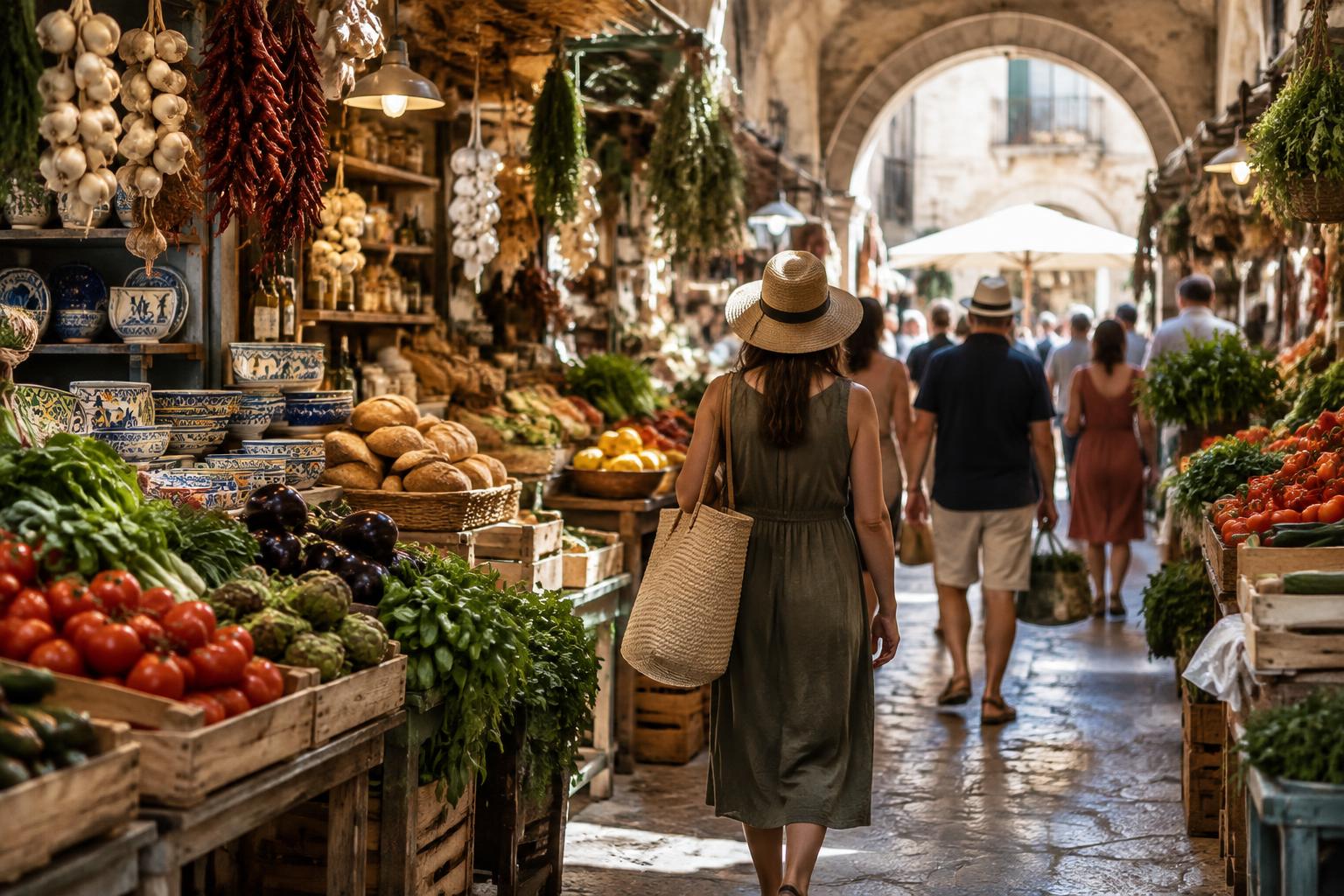
A practical method for finding good, honest food in an unfamiliar town, from reading a market stall to spotting a kitchen that cooks for locals.
By Yasmine Benali · 6 min read
Food & Markets
The Market Morning Guide: How to Shop Like a Local
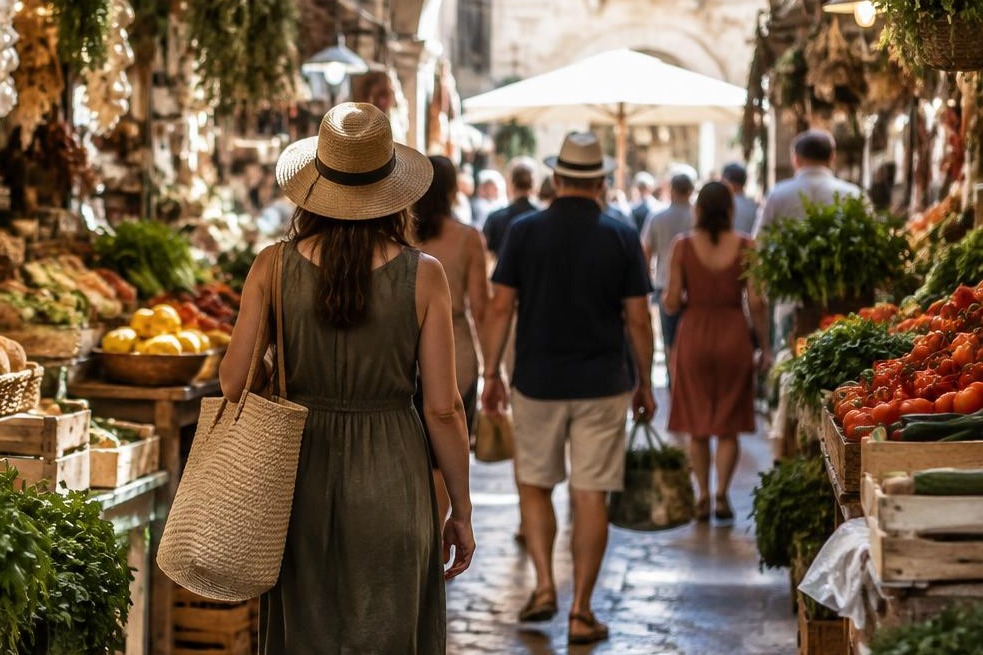
How to spend a market morning well, from arrival time to etiquette, with examples from markets in Portugal, Spain and Morocco.
By Yasmine Benali · 6 min read
Slow Travel
Copenhagen on a Budget: A Genuinely Possible Guide
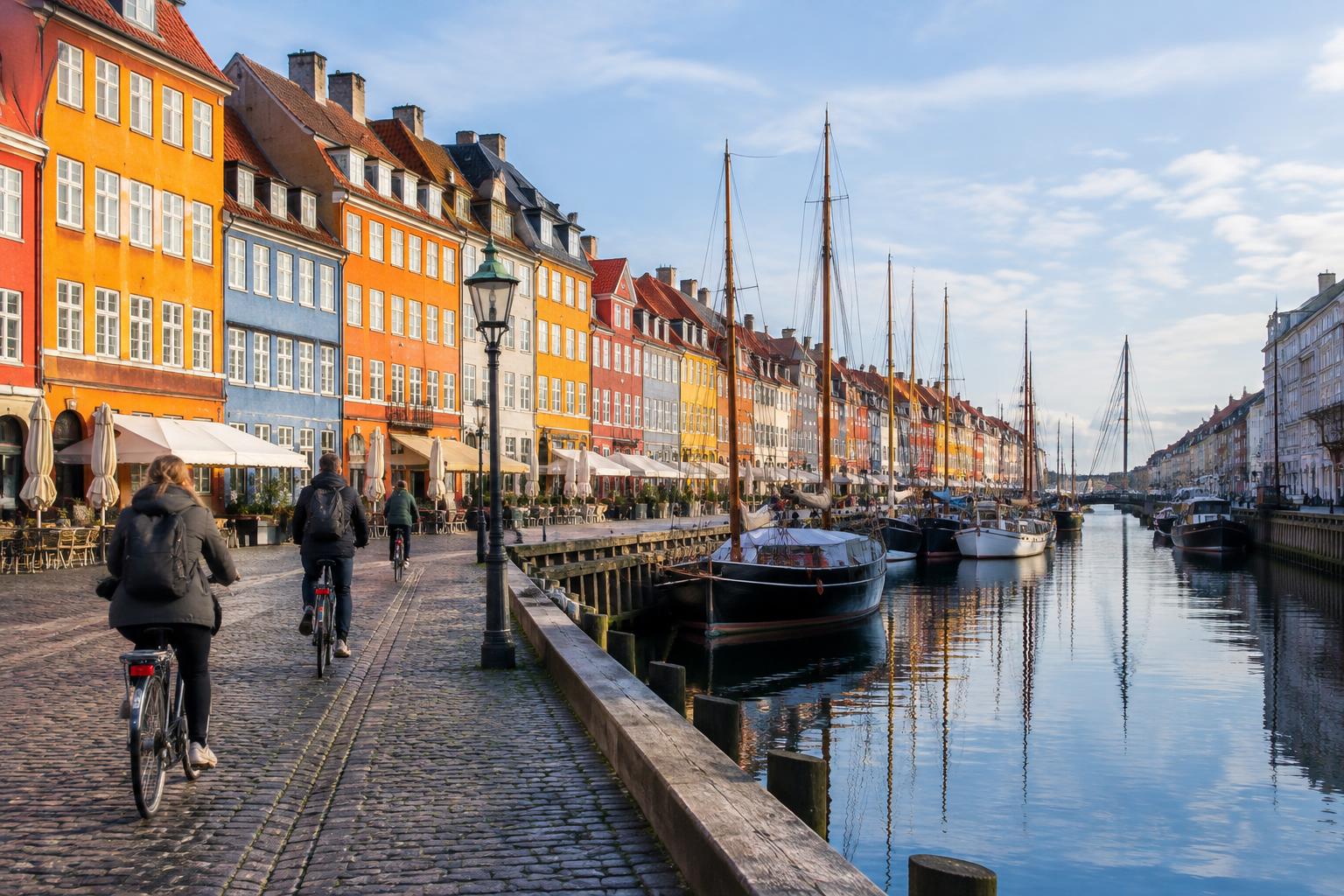
Copenhagen has a reputation as one of Europe’s most expensive cities, but free sights, a cycling culture and smart picnic habits make a budget visit realistic.
By Daniel Reyes · 5 min read